
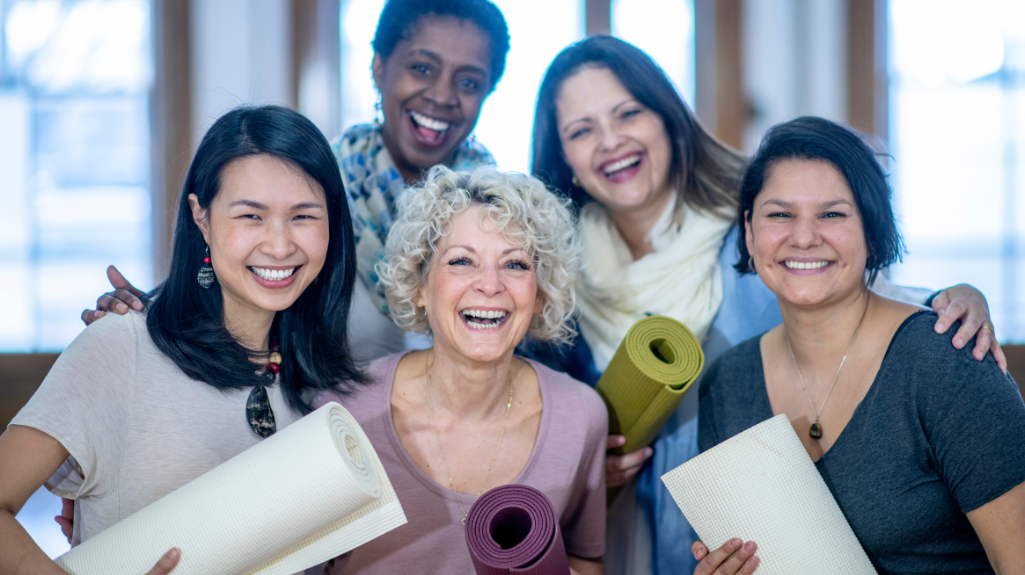
fbpx
Yoga for Longevity: How Midlife Women Can Use Yoga to Support Healthy Aging

Yoga for Longevity: How Midlife Women Can Use Yoga to Support Healthy Aging

Aging is inevitable—but how we age is something we have influence over. As a midlife woman, you’ve probably already felt the shifts in your body: maybe your joints ache more than they used to, your energy dips in the afternoons, or you feel like your memory isn’t as sharp as before.

Add to that the hormonal changes of menopause, and it can feel like your body is moving in a direction you didn’t choose.

Here’s the good news: research continues to show that yoga isn’t just about flexibility—it’s about supporting longevity, reducing stress, boosting brain health, and improving overall healthspan.

In this blog, we’ll explore how yoga can become a cornerstone of healthy aging, the science behind it, and the specific practices that are especially beneficial for women in midlife and beyond.


What Do We Mean by Longevity and Healthspan?

When people talk about “longevity,” they often think of simply living longer. But what truly matters is health span—the number of years you live in good health, free of disease and disability.

For midlife women, this is especially important. You don’t just want to add years to your life—you want those years to be vibrant, active, and joyful. And that’s exactly where yoga can make a difference.


How Yoga Supports Longevity and Healthy Aging

Yoga isn’t just about flexibility—it’s about living longer, stronger, and healthier. Here’s how it supports your longevity and well-being in midlife.

1. Physical Benefits: Stronger, More Mobile, and Balanced

As we age, muscle mass, bone density, and flexibility naturally decline. This increases the risk of falls, injuries, and joint pain.

Yoga helps by:

  • Improving balance: Standing postures and gentle transitions strengthen stabilizing muscles, reducing fall risk.
  • Building strength: Poses like Warrior, Chair, and Plank develop functional strength without the strain of high-impact exercise.
  • Enhancing mobility and flexibility: Stretching the connective tissue and joints keeps the body supple, making daily movements easier.

For women over 40, yoga provides a safe, low-impact way to maintain physical independence well into later life.


2. Mental & Emotional Well-being: Reducing Stress and Anxiety

Midlife often comes with new stressors—caring for aging parents, supporting adult children, career transitions, and shifting hormones. Chronic stress accelerates cellular aging and contributes to weight gain, poor sleep, and disease risk.

Through breathwork (pranayama), meditation, and mindful movement, yoga activates the parasympathetic nervous system—the body’s “rest and digest” mode. Benefits include:

  • Lower stress hormone (cortisol) levels
  • Reduced anxiety and depression symptoms
  • Improved emotional resilience

Simply put, yoga gives you the tools to navigate midlife challenges with more calm and clarity.


3. Cellular Health: Supporting Your Body at the Smallest Level

Here’s where it gets fascinating. Some research suggests yoga may actually influence aging at the cellular level.

  • Studies show yoga can increase telomerase activity, an enzyme that protects telomeres (the “end caps” of your DNA that shorten with age). Longer telomeres are linked to slower cellular aging.
  • Yoga may also reduce oxidative stress and inflammation, both of which accelerate aging.

While more research is needed, this hints that yoga doesn’t just help you feel younger—it may help your cells age more gracefully too.


4. Disease Management: Supporting Heart and Metabolic Health

Chronic conditions like heart disease, type 2 diabetes, and high blood pressure often show up during midlife. Yoga has been shown to:

  • Lower blood pressure and resting heart rate
  • Improve circulation
  • Support blood sugar regulation
  • Reduce cholesterol levels

When combined with healthy nutrition and lifestyle habits, yoga becomes a powerful ally in preventing and managing age-related diseases.


5. Cognitive Function: Keeping Your Brain Sharp

It’s normal to worry about memory and focus as you get older. The good news? Yoga and meditation practices have been shown to:

  • Improve cognitive function, including memory and attention
  • Strengthen neuroplasticity—the brain’s ability to adapt and form new connections
  • Reduce the risk of cognitive decline

Even just 10–15 minutes a day of meditation or mindful breathing can keep your mind sharper, calmer, and more resilient over time.


The Best Yoga Practices for Midlife Longevity

Not all yoga practices are the same. For women in midlife, the goal isn’t pushing harder or chasing the poses you did in your 20s—it’s about creating sustainable, nourishing movement.


Gentle Styles That Support Healthy Aging

  • Hatha Yoga: Focuses on alignment and foundational postures—perfect for building strength and stability.
  • Vinyasa Yoga: Gentle, flowing sequences that link breath with movement for mobility and cardiovascular health.
  • Restorative or Yin Yoga: Slower, supported postures that release tension, calm the nervous system, and improve flexibility.


Focus on Fundamentals and Functional Movement

As we age, it becomes crucial to move in ways that support daily life. Yoga helps reinforce:

  • Core strength and pelvic floor health for stability and bladder control
  • Hip and shoulder mobility to make lifting, bending, and reaching easier
  • Alignment awareness to prevent injuries in and out of class


Breath and Mindfulness for Longevity

The breath is the bridge between body and mind. Practices like alternate nostril breathing (Nadi Shodhana) and box breathing reduce stress and promote clarity. Meditation—even for just 5 minutes—has profound effects on mood, focus, and resilience.

Adding mindfulness practices ensures yoga benefits not just your body, but your entire inner ecosystem.


Key Considerations for Midlife Women Practicing Yoga


Healthspan vs. Lifespan
Yoga may not guarantee a longer life, but it does improve the quality of life. Every practice you do is an investment in your healthspan—those years of independence, energy, and joy.

Consistency is Key
It’s not about doing a 90-minute class every day. Even 10–20 minutes, 3–4 times a week, can create profound benefits over time.

Adapt Your Practice
Honor where your body is today. Use props, modify poses, and remember: yoga meets you exactly where you are.

It’s Never Too Late to Start
Whether you’ve practiced for years or you’re brand new, yoga is accessible at every age. Your future self will thank you for starting now.


Practical Ways to Bring Yoga Into Your Daily Life


  • Morning Movement: Start the day with a few rounds of Cat-Cow, gentle twists, and forward folds to wake up your spine. 
  • Midday Reset: Try 5 minutes of breathwork at your desk to reduce stress and refocus. 
  • Evening Wind-Down: End the day with legs-up-the-wall or supported child’s pose to relax your body and improve sleep. 
  • Weekly Class or Online Practice: Commit to at least one longer session each week for deeper benefits and accountability.


Yoga as a Tool for Aging Well

Aging is not about fighting wrinkles or pretending to be younger—it’s about living fully, with strength, clarity, and joy.

For women in midlife, yoga is more than exercise—it’s a practice that nurtures your body, mind, and spirit at every level. By improving balance, reducing stress, supporting cellular health, and protecting your heart and brain, yoga helps you not just add years to your life, but life to your years.

If you’re ready to embrace healthy aging and longevity through yoga, the best time to start is now.

Join a growing community of women who are choosing strength, health, and energy in midlife. Get weekly wellness tips, simple movement routines, and real talk about menopause.

👉JOIN HERE

The Best At-Home Workouts for Women 40+ to Stay Strong and Energized

The Best At-Home Workouts for Women 40+ to Stay Strong and Energized

Let’s be real for a second — feeling stiff, tired, and just “off” as you get older can be SO FRUSTRATING.

One day you’re bouncing out of bed ready to conquer the world… and the next, your knees are popping like popcorn, your back is cranky, and your energy’s nowhere to be found.


Sound familiar??? You are NOT alone.


But here’s the good news: you don’t have to train like a 25-year-old or hit the gym for hours to feel strong, vibrant, and confident in your body again.


In fact, the secret sauce to aging well (and feeling better than ever!) is something simple and super doable…


Moving your body—Every. Single. Day.


No, not punishing workouts.


Not bootcamps or burpees.


I’m talking about gentle, powerful, at-home movement that builds strength, supports your joints, improves your balance, and YES — boosts your energy like a cup of coffee.


Let’s talk about the best types of movement for women 40 and beyond — and exactly how you can get started today, right in your living room!


Why movement matters more after 40


Okay, let’s talk about the WHY.

Once we hit menopause (and beyond), our bodies start going through all kinds of changes — hormone shifts, bone density drops, muscle mass loss (hello, wobbly arms), and a metabolism that suddenly feels like it’s running in slow motion.


But here’s what many women don’t realize: movement is medicine. It’s one of the most powerful tools we have to fight back against aging.


Daily movement can help you:

  • Build lean muscle (hello, toned arms and strong legs!)
  • Strengthen your bones (goodbye, osteoporosis worries)
  • Reduce joint pain and stiffness
  • Improve posture and balance (fewer falls = more freedom!)
  • Boost your mood and energy
  • Sleep better


And let’s be honest… feel WAY more confident in your skin!


So let’s dive into the best types of movement to work into your week.


1. Strength Training (YES, You need it!)


You don’t need to lift heavy weights to be strong. But your body LOVES resistance — especially after 40.

Strength training helps maintain and build lean muscle, supports your joints, and keeps your metabolism humming.


Plus, it’s AMAZING for bone health.


Try this at home:

  • Bodyweight squats (or sit-to-stands from a chair)
  • Wall push-ups or kitchen counter push-ups
  • Standing rows with resistance bands
  • Step-ups using stairs or a sturdy step stool


👉 Start with 2-3x per week for 10–20 minutes. You’ll be surprised how fast your strength comes back!


2. Mobility and Flexibility Work


Mobility is what keeps you moving well. It’s about maintaining a full range of motion in your joints so you can twist, reach, and bend without pain.

Think of it like WD-40 for your body — a little movement oil to keep things running smoothly.


Try this at home:

  • Cat-cow stretches on hands and knees (great for the spine!)
  • Gentle neck and shoulder rolls
  • Hip circles
  • Standing side bends
  • Ankle circles while seated


Add these in daily, even if just for 5–10 minutes. Your body will thank you.


3. Yoga (Your Secret Superpower)


If you haven’t tried yoga lately (or ever), I promise — it’s not just for 20-somethings on Instagram. Yoga is INCREDIBLE for midlife women.

Woman doing yoga

It builds strength, improves flexibility, calms the nervous system, and helps you reconnect with your body in a way that feels empowering (not punishing).


Try this at home:

  • Downward dog
  • Warrior poses
  • Bridge pose
  • Legs up the wall (amazing before bed!)


You can do yoga with a chair, on a mat, or even in bed. There are so many styles — find one that feels good for YOU.


4. Balance Training (So you can stay on your feet!)


Falls become more dangerous as we age. But good news — balance is a skill, and like any skill, you can train it.

Just a few minutes a day can improve your stability and confidence walking, hiking, climbing stairs — all the things that make life FUN.


Try this at home:

  • Single leg stand (hold onto a counter for support)
  • Heel-to-toe walk in a straight line
  • Side leg raises
  • Stand on a pillow or folded towel for an extra challenge!


Bonus: many strength and yoga moves improve balance at the same time.


5. Walking (The Queen of Movement!)


Never underestimate the power of a good walk.

Woman Walking for Midlife Longevity

Walking is one of the BEST exercises for your heart, your brain, your bones, and your soul. It boosts circulation, clears your mind, and gives your joints a low-impact, feel-good workout.


Try this:

  • Morning walk around the block to boost energy
  • 10-minute “movement snacks” throughout the day
  • Listen to a podcast, call a friend, or enjoy nature — multitasking at its finest!


Aim for 30 minutes a day, but remember: EVERY step counts.


How to stick with it (Even on the hard days)


Let’s be honest. Starting something is easy. Sticking with it? That’s where most of us fall off.


But here’s the thing: You don’t have to do it perfectly. You don’t need to work out for an hour. You don’t even have to break a sweat.


You just need to show up. A little movement every day adds up BIG TIME.

Reminder to Workout for Midlife Wellness

Here are some tips:

  • Set a reminder on your phone
  • Lay out your mat or workout clothes the night before
  • Invite a friend to join you (accountability helps!)
  • Keep it FUN — play your favorite music!
  • Celebrate the little wins: “I moved today. I showed up. I did that.”


REMEMBER, This is about feeling amazing


You don’t have to be perfect.

You don’t need a gym membership.

You don’t need to do what everyone else is doing.


Feeling Amazing in Midlife

You just need to move YOUR body in a way that feels good and supports your long-term health. You deserve to feel strong, capable, and FULL of energy — not just for today, but for decades to come.


Ready to feel strong, flexible, and full of life?

MIDLIFE WELLNESS

You don’t have to figure this all out alone — come join us inside The Midlife Wellness Lounge, our FREE Facebook group created just for women in midlife who are ready to move more, stress less, and feel GOOD again.


Inside, you’ll find:

✅ Simple, doable at-home workouts
✅ Weekly wellness tips that actually work
✅ Fun Challenges to help you stay on track
✅ Mini Classes and Courses to guide your journey
✅ And a whole lotta support from women who get it!


This is YOUR space to feel empowered, encouraged, and connected as you build strength, energy, and confidence in this amazing chapter of life.


💖 We’d LOVE to have you inside!


👉 Click here to join The Midlife Wellness Lounge


PLUS… don’t forget to grab your FREE Longevity Starter Kit!


This powerful guide will walk you through the exact habits and simple shifts that support energy, strength, and vibrant health in midlife — no overwhelm, no confusion, just real-life tools that work.


👉 Download the Starter Kit here!


Let’s keep moving, growing, and glowing — TOGETHER. 🎉💪🌸


See you in the Lounge, friend! 💪💃🌟

The Importance of Exercise for Midlife Women

The Importance of Exercise for Midlife Women

Is exercise really that important for midlife women? Who has time for that??

YES! The answer is a resounding YES!

Exercise is important for people of all ages, but it becomes even more critical for women in midlife. Women in their 40s and 50s may begin to experience a variety of physical and hormonal changes that can negatively impact their health and well-being. Fun, right? It’s not all doom and gloom, though because exercise can help mitigate the results and symptoms that come along with some of these changes and improve overall health. The key is to be doing exercise that works with your body, and not against it.


Let’s dive in!
 

One of the most significant changes women in midlife experience is a decrease in estrogen levels. This decrease can lead to a range of symptoms, including hot flashes, night sweats, and vaginal dryness. And guess what? Exercise can help manage these symptoms!

Midlife women are also at a higher risk for other health conditions, including heart disease, osteoporosis, and type 2 diabetes. Exercise can help reduce the risk of developing these conditions by improving cardiovascular health, increasing bone density, and regulating blood sugar levels.

Regular exercise can also help midlife women maintain a healthy weight. As women age, their metabolism slows down, making it more challenging to maintain a healthy weight.


Good nutrition can help here too, but that’s a topic for another day 😀


Beyond the physical benefits, regular exercise can also improve mental health and cognitive function. Studies have shown that regular exercise can reduce the risk of depression and anxiety, improve memory and concentration, and increase overall cognitive function.

You may be wondering if there are specific exercises that are better for midlife women and the answer is YES!

Here are my suggestions for what to include in your exercise “routine”


Strength/Resistance Training
 

Strength training is first on my list as it’s the most important and one that we midlife women neglect. We lose muscle mass as we age and we need strength/resistance training to prevent this from happening. Using weights, resistance bands, or bodyweight exercises, can help improve bone density, maintain muscle mass, and boost metabolism. Aim for two full-body strength/resistance sessions per week, targeting major muscle groups like the legs, arms, chest, back, and core.

TIP: Start by doing squats without weights and gradually work up to adding weight or resistance bands. Try push-ups at the wall and as you get stronger, lower the incline to a counter, then to a bench, and finally to the floor.


Cardiovascular Exercise

 

Cardiovascular exercise, such as walking, cycling, swimming, or dancing, can help improve heart health, reduce the risk of chronic diseases, and maintain a healthy weight. Aim for 2 or 3 30-45 minutes sessions of low/moderate-intensity cardio exercise per week. Don’t overdo it here, ladies. Get outside if you can.

TIP: Take short 5-10 minute walk breaks during your day. It all adds up 🙂


Flexibility


Flexibility exercises like stretching, yoga, pilates, or tai chi can help improve range of motion, reduce the risk of injury, and improve posture. Aim for at least two flexibility sessions per week or better yet, add a daily yoga routine to your repertoire. Short sessions more often can be better than fewer long sessions per week. 10 minutes a day is all you need but be warned, you may want to do more 😉

TIP: If you sit at a desk all day, take regular stretching breaks. Your body will thank you for it.


Mobility
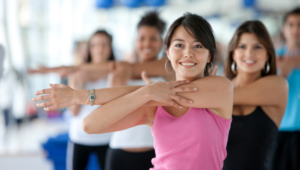
 

Mobility exercises are essential for midlife women to maintain flexibility, joint health, and overall physical function. As we age, our joints can become stiffer, and our range of motion can decrease. Mobility exercises can help maintain and improve joint health, reduce the risk of injury, and improve posture. Some examples of mobility exercises for midlife women are:

  • Shoulder rolls
  • Arm circles
  • Ankle circles
  • Hip circles
  • Twists

TIP: Incorporate these moves into a warm-up or cool-down. Many mobility moves will already be included in a yoga class.


Balance



Balance exercises, such as standing on one foot, walking heel to toe, or doing balance poses in yoga, can help reduce the risk of falls and improve overall balance. A bonus of balance work is that it also works the core!

TIP: Try standing on one foot while standing in line at the grocery store. Or do a tree pose and see what kind of looks you get 😜


High-Intensity Interval Training
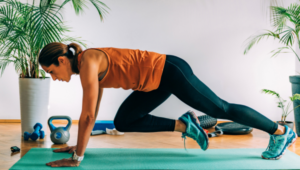


High-Intensity Interval training (HIIT) is a form of exercise that involves short bursts of high-intensity exercise followed by periods of rest. It can help improve cardiovascular health, increase metabolism, and burn calories in a short amount of time. However, it may not be suitable for everyone, especially those with certain health conditions or injuries. Try to keep HIIT to 45 minutes total per week, broken up into a minimum of 2 sessions.

TIP: Don’t complicate it. Make the exercise simple but intense enough to get the heart rate up.

Overall, exercise is essential for midlife women to maintain their health and well-being. Incorporating regular physical activity into their daily routine can help manage symptoms of menopause, reduce the risk of chronic conditions, maintain a healthy weight, and improve mental health and cognitive function. Bonus – Exercise also helps improve sleep when done early in the day…zzzzz!


Need some help getting started?


If you would like some guidance on what to do and how to incorporate more movement into your day, I invite you to check out my upcoming 7-day yoga/movement challenge for midlife women – CLICK HERE

Pin It on Pinterest